


12 Aug What Is Holistic Addiction Treatment — and Why Does Bali Lend Itself So Well to It?
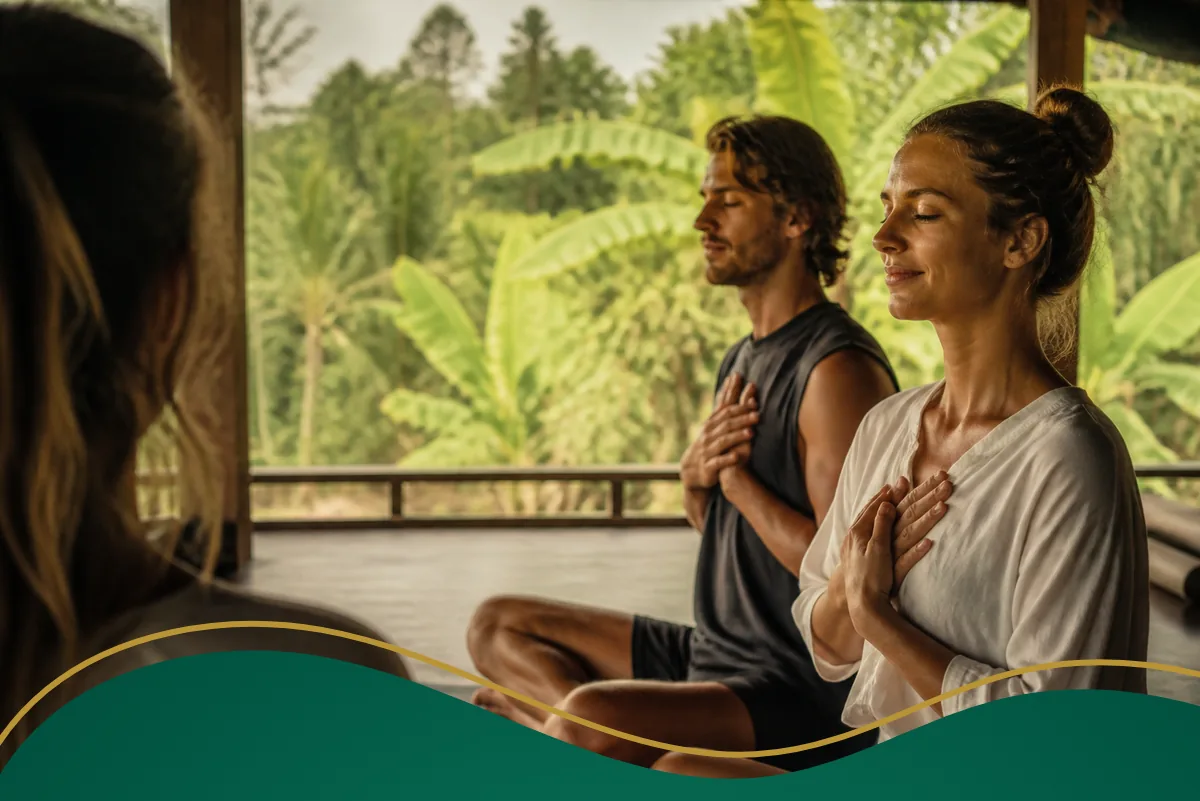
“Holistic” is one of the most used and least explained words in recovery. It can suggest incense and beach yoga, which does no favours at all to someone trying to work out whether a programme is clinically serious. In practice the term has a fairly precise meaning: holistic addiction treatment is care that treats the whole person, physical, psychological, emotional, social and spiritual, alongside proven, evidence-based addiction treatment rather than instead of it. Understanding medication versus holistic therapy is often less about choosing one over the other and more about recognising how the two can work in tandem.
What follows sets out what whole-person care should actually include, which practices genuinely support recovery and why, and how a setting like Bali fits into that picture. Bali is not a cure. But its pace, landscape and cultural understanding of balance can make the daily work of recovery far easier to sustain, provided the clinical foundation underneath is solid.
What holistic addiction treatment actually means
The word holistic comes from the Greek holos, meaning whole or complete, and the philosophy behind it is that the parts of any whole are so closely connected that you cannot understand one without reference to the others. Applied to medicine, that means treating the physical, mental, emotional, spiritual, environmental and social sides of a person’s wellbeing rather than a single symptom or behaviour.
That matters in addiction because dependence is never contained to one area of life. Substance use damages physical health and sleep, keeps the stress system in a permanent state of alert, hardens emotional coping patterns, erodes relationships and reshapes both daily routine and sense of self. Treat only the drinking or the drug use and the conditions that maintained it are left untouched.
So holistic care isn’t an alternative philosophy or a spiritual add-on. It’s an approach to sequencing and personalisation: addressing the underlying causes as well as the symptoms, and building a programme around one person’s needs, history and goals rather than applying the same template to everyone.
Whole-person care only works on a clinical foundation
Holistic interventions are rarely standalone treatments. They exist to complement and strengthen evidence-based therapy models, and the most effective holistic programmes build on conventional medical treatment rather than substituting for it. That distinction is a safety issue, not a philosophical one.
Underneath any credible holistic programme there should be a full clinical assessment, medically supervised detox and withdrawal management where it’s needed, appropriate medication support, individual psychotherapy such as cognitive behavioural therapy, group work where it suits the person, trauma-informed care, treatment for co-occurring mental health conditions and a written relapse-prevention plan. Detoxing from alcohol or benzodiazepines without medical oversight can be dangerous, and untreated depression, PTSD or anxiety will keep pulling a person back to the substance.
What the holistic elements add is traction, and it’s this combination of clinical rigour and complementary care that shapes our holistic approach to recovery. Mindfulness and yoga pair naturally with cognitive behavioural work because both teach a person to manage stress and stay with discomfort rather than escape it, while nutrition and routine restore the physical capacity to do therapy at all. A beautiful location and a wellness timetable, on the other hand, are not treatment for substance dependence, withdrawal risk, trauma or a co-occurring diagnosis; if a programme cannot describe its clinical staffing and medical oversight clearly, the setting is irrelevant.
The practices that do the work, and what each is for
Mindfulness meditation trains attention on the present moment with a non-judging acceptance of thoughts and feelings as they arise. In recovery that translates into something very concrete: a person learns to notice a craving as a passing sensation rather than an instruction, which widens the gap between trigger and behaviour, and it’s in that gap that a different choice becomes possible.
Yoga combines breathing exercises, postures and meditation, so it delivers the benefits of exercise while also releasing stress, increasing focus and grounding a person in the present, with consistent practice improving flexibility, strength, mobility and balance. It doesn’t need to be intense to be useful. Gentle movement is often the point, because it rebuilds a tolerable relationship with a body many people have spent years overriding or numbing.
Nutrition and sleep are foundations rather than extras. A healthy body is a basic requirement of recovery, and understanding nutrition’s role in recovery helps explain how the body mends after prolonged substance use. Poor diet, lack of sleep and emotional stress are among the most common obstacles in early recovery and they tend to compound one another, so stabilising food, hydration and sleep steadies mood and energy before any deeper therapeutic work can land.
Body-based and somatic approaches, including breathwork, massage and gentle physical therapies, work the same territory from a different direction. Long-term substance use leaves the nervous system stuck in agitation or shutdown, particularly where trauma is part of the picture, and these practices help a person come back to a regulated state they can recognise and return to.
Then there’s the emotional and social layer: naming feelings and processing them safely, reflective practice such as journalling, and rebuilding connection. Recovery involves ending isolation, forming healthy relationships and building a sober network, and reflective work supports the self-examination that helps a person understand where they are, who they are and what matters to them, which is also what makes rebuilding relationships with family and friends possible.
Why these practices hold up after treatment ends
The value of these practices is that they target the exact pressures that drive relapse: stress, craving intensity, broken sleep, poor physical health and unstructured days. A 2018 study of a 12-week yoga intervention delivered alongside medication-assisted treatment for opioid use disorder found that participants reported lower perceived stress at 90 days than those who did not take part. Reduced stress is not a soft outcome in addiction; it’s a direct reduction in relapse pressure.
Nervous system regulation is worth spelling out plainly, because many people in early recovery swing between feeling wired and unable to settle, and feeling flat, numb or emotionally raw. Body-based routines give them a reliable way to shift state without a substance, which is often the first evidence they’ve had in years that they can influence how they feel. That stability also makes trauma-informed work more possible: grounding, breathwork and movement build enough safety and tolerance for difficult emotion that a person can approach painful material in therapy instead of avoiding it. They support trauma treatment; they don’t replace it.
The long-term case is about what leaves with the person. There’s good evidence that people who are more satisfied with their treatment stay in it longer, and longer engagement is associated with better outcomes. Someone who has spent weeks practising a morning walk, a breathing routine, regular meals and a journalling habit isn’t leaving with a memory of feeling well, they’re leaving with repeatable behaviours. Combined with a sober support network and honest reflection, that’s what turns a relapse-prevention plan from a document into something that works on a difficult Tuesday evening at home.
Where Bali fits, and what to check before you go
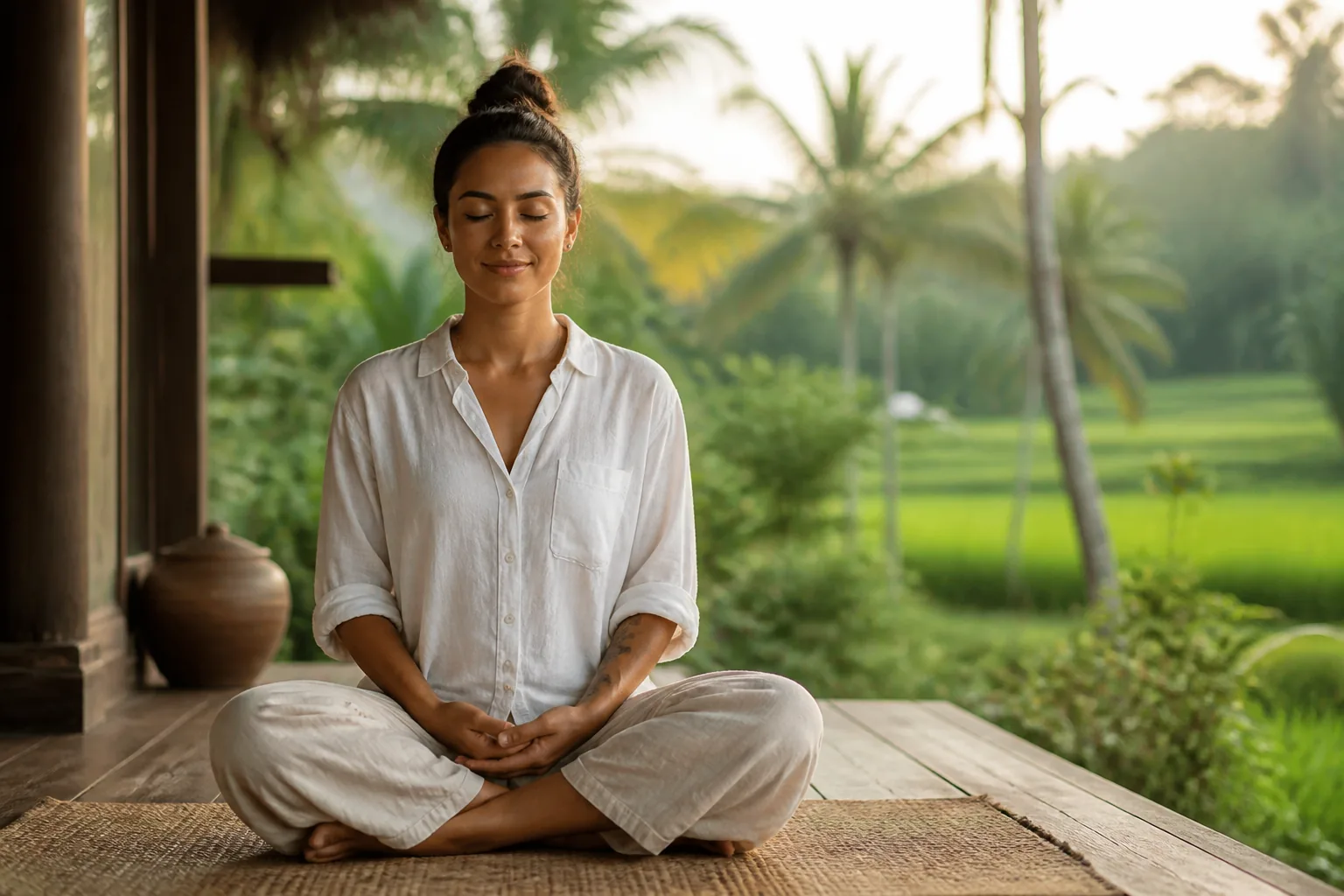
Bali’s usefulness is practical rather than mystical. Removing someone from the environment, contacts and routines tied to their substance use is a recognised advantage of residential treatment, and Bali adds an unhurried daily rhythm, warm weather, beaches and green space that make outdoor movement, walking and rest easy to build into a schedule. For people who arrive exhausted and permanently braced, that shift out of survival mode is often what allows the therapeutic work to begin.
The cultural fit is genuine too, and it’s part of why Bali supports healing in ways that go beyond climate and scenery. Balinese life is organised around Tri Hita Karana, the principle that wellbeing comes from harmony in three directions: between people, between people and nature, and between people and the spiritual dimension. That maps closely onto what whole-person recovery asks a person to rebuild, namely relationships, a healthier relationship with their body and environment, and some sense of meaning beyond the substance. Contemplative practice and ceremony are ordinary parts of daily life here, so mindfulness and reflection feel less like imported exercises and more like the way the day already runs.
None of this heals anyone by itself. Scenery is not a clinical intervention, and the wellness-tourism version of Bali rehab is exactly what someone with a serious dependence should be careful of.
So when you assess a holistic rehab in Bali, look past the photographs and ask specific questions. Who carries clinical responsibility, and what are their qualifications? Is medically supervised detox available, or is it arranged elsewhere before admission? Is there a proper assessment, individual psychotherapy and trauma-informed care, rather than a group activity timetable? How are co-occurring mental health conditions handled? And critically, what does aftercare look like once you fly home, which routines, therapy arrangements and support network will follow you back? If a programme answers all of that clearly, the setting becomes what it should be: an environment that makes serious treatment easier to do.
No Comments