


10 Nov Is Cannabis Addictive? Signs of Cannabis Use Disorder and When to Get Help

Is cannabis addictive? Yes, it can be. Roughly 1 in 10 people who use cannabis develop an addiction to it, and that rises to about 1 in 4 among daily users. Of course, that also means most people who try cannabis never run into trouble, which is exactly why it's so easy to assume your own use, or a loved one's, is fine.
This guide is for adults in Australia, New Zealand and elsewhere who suspect a habit may have quietly crossed from casual use into cannabis use disorder, a shift that often overlaps with anxiety, addiction and sleep problems. It explains how dependence develops, what the clinical criteria mean in plain English, what withdrawal feels like and why stronger modern products raise the stakes, then offers a practical way to decide whether to cut back on your own, see a GP or psychologist, or consider residential treatment.
So, is cannabis addictive? Yes, but risk depends on how you use it
Cannabis use disorder isn't simply frequent use. Clinically, it describes a pattern where use becomes hard to control, is driven by cravings, tolerance or withdrawal, and carries on despite causing problems. THC, the compound behind the high, floods the brain's reward system with dopamine, and over time the brain adapts, so you need more to feel the same effect while ordinary pleasures start to feel flatter by comparison.
That said, the odd joint at a party is a very different thing from compulsive use that wears away at your sleep, work, study or relationships, and the risks of substance use for young people climb steeply with certain patterns. Frequency matters most: one study found that around 17% of weekly users and 18.8% of daily users met the criteria for dependence. Age matters too, because people who start before 18 are four to seven times more likely to develop the disorder than those who start as adults. Depression, anxiety or trauma, other substance use including alcohol and nicotine, a family history of addiction, easy access through housemates or friends, and high-THC products all add to the risk as well.
It's also worth separating dependence from addiction. Someone can develop tolerance and withdrawal without their life falling apart, whereas severe cannabis use disorder, which is what clinicians mean by addiction, involves a broader loss of control and a growing list of consequences that the person keeps using through.
Cannabis use disorder criteria in plain English
Clinicians diagnose cannabis use disorder using the DSM-5, which lists 11 signs. Meeting two or more within the same 12-month period crosses the threshold, and severity depends on how many apply: two or three counts as mild, four or five as moderate, and six or more as severe.
The first group of signs is about control. You use more, or for longer, than you meant to; you've tried to cut down and failed; a lot of your time goes on getting cannabis, using it or recovering from it; and you get strong urges to use.
The second group is about consequences. You fall behind on responsibilities at work, study or home; you keep using even though it causes arguments or distance in your relationships; you've dropped hobbies, sport or social plans because of it; you use in risky situations, such as before driving; and you carry on even though it's making a physical or mental health problem worse, whether that's anxiety or a persistent cough.
The final two are markers of dependence: tolerance, meaning you need more to get the same effect, and withdrawal symptoms that ease when you use again. Only a qualified clinician can make a diagnosis, but counting yourself honestly against this list is a useful way to judge whether your pattern deserves a closer look.
Practical signs of weed addiction to look for day to day
In everyday life, the signs of weed addiction tend to show up as quiet reliance rather than drama. Common ones include using daily or near-daily, repeatedly promising to cut back and not managing it, and needing cannabis to sleep, eat, relax, socialise or cope with your feelings. A telling question to ask yourself is whether an ordinary evening without it now feels difficult or pointless.
Behaviour often shifts too. People become secretive about how much they use, hide supplies, get defensive or hostile when someone raises it, spend more than they meant to and start planning their days around access. Partners and parents frequently notice someone pulling away from family and friends before anything else.
Changes in day-to-day functioning usually follow, such as lower motivation, slipping performance at work or university, neglected chores, bills or relationships, and losing interest in things that used to matter. Mental health matters here too, and among the warning signs of drug dependence that are especially important is continued use despite anxiety, panic, paranoia, low mood, irritability or emotional swings.
No single sign proves addiction. A cluster that keeps coming back, however, is a good reason to pause, track your use honestly for a few weeks and think about talking to someone.
Cannabis withdrawal symptoms, timeline and why high-THC products make stopping harder
Cannabis withdrawal is real, and for many heavy or long-term users it's the main reason attempts to stop fall over. Common cannabis withdrawal symptoms include irritability, anxiety, trouble sleeping, vivid or disturbing dreams, low mood, reduced appetite, cravings and restlessness, and some people also get headaches or stomach discomfort. For most people it's unpleasant rather than medically dangerous, but it can feel both physical and psychological.
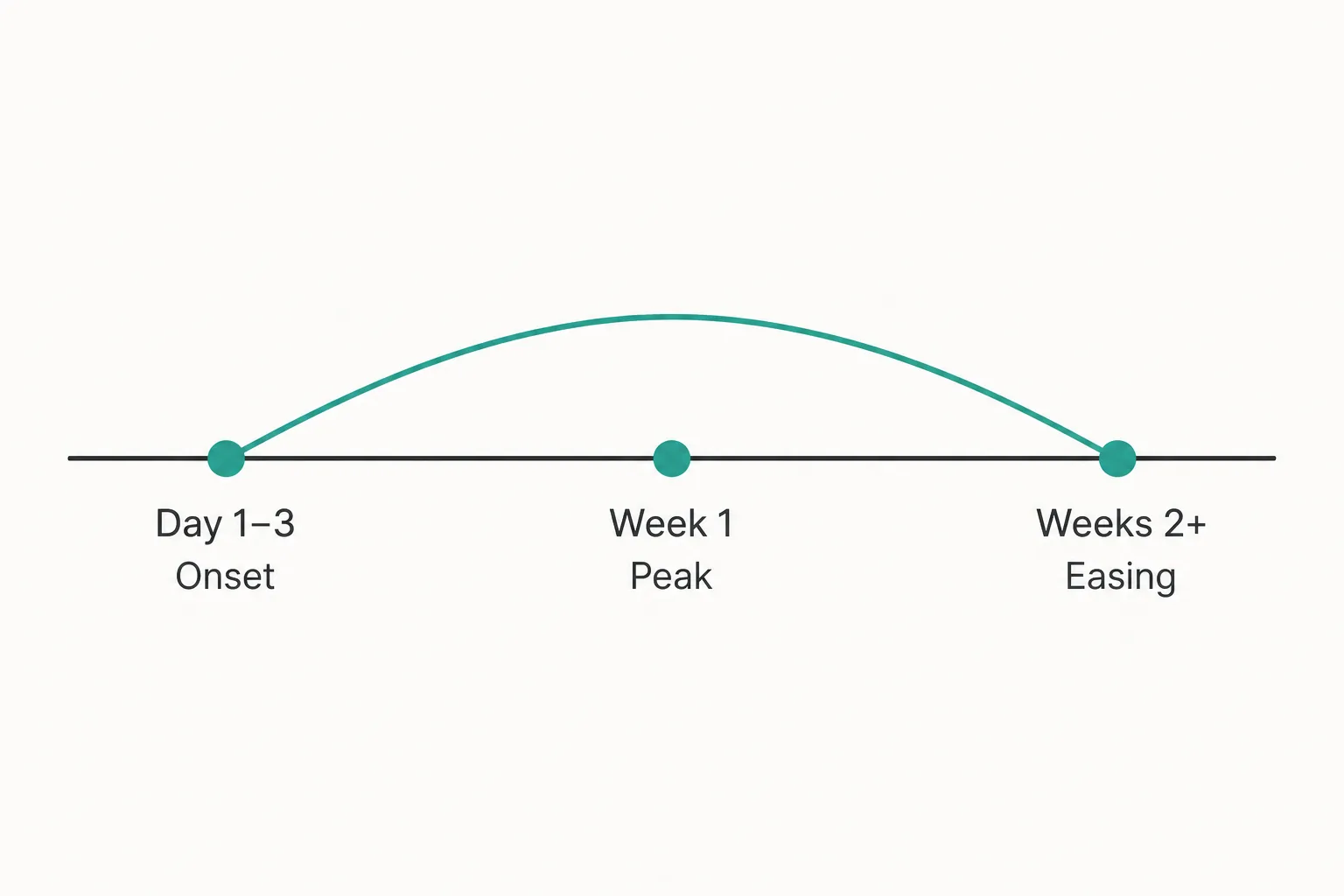
The timeline is fairly predictable. Symptoms often start within 24 to 72 hours of stopping or cutting down sharply and tend to peak during the first week before easing, although sleep problems, mood changes and cravings can linger for several weeks in heavier users. The trap is that a single joint or vape makes the discomfort disappear, which teaches the brain that cannabis is the fix and keeps the cycle going.
Potency is a big part of why stopping is harder now than it once was. Today's flower is considerably stronger than it used to be, and vapes, concentrates such as wax or oil, and dabbing can all deliver very high doses of THC. Edibles bring their own risk because they take longer to kick in, which makes it easy to take too much. Higher potency means more intense intoxication, faster tolerance, a greater risk of dependence and more frequent adverse effects such as panic attacks, paranoia and psychosis-like symptoms, particularly when use is frequent.
When to get help and what level of support may fit
The right level of support depends on how severe things are, your mental health and your environment, so it helps to think in tiers.
Self-change may be enough if your use sits at the mild end, you're genuinely motivated, withdrawal feels manageable, the consequences are limited and you have a supportive, cannabis-free home. Practical steps include setting a clear goal, getting rid of supplies and gear, planning for poor sleep in the first week and telling someone you trust.
It's time to speak to a GP, psychologist, addiction clinician or mental health professional if your attempts to cut down keep failing, withdrawal keeps pulling you back, you rely on cannabis to manage anxiety, depression, trauma or sleep, or your work, study and relationships are suffering. Because mental health conditions and substance use so often go hand in hand, treating both at the same time generally works better than treating either on its own.
Seek help promptly if there's psychosis or paranoia, severe anxiety, suicidal thoughts, family breakdown, unsafe behaviour such as driving while intoxicated, other drug use or heavy drinking alongside cannabis, or use that keeps escalating despite serious consequences. If anyone is at immediate risk, contact emergency services or a crisis line.
The good news is that effective treatment is available. It usually combines support through withdrawal, sometimes with a gradual taper, with therapies such as cognitive behavioural therapy, dialectical behaviour therapy and contingency management, alongside relapse-prevention planning and mental health care. Many people do well with outpatient counselling, while others need a more contained setting because home is full of triggers, past attempts haven't worked or co-occurring conditions need closer care.
That's the situation Calm Rehab's residential drug rehab in Bali is built for, offering distance from familiar cues, integrated support for mental health and other substance issues, and a safe place to stabilise. Whichever route suits you, recovery is a long-term process, so build in ongoing support after the first few weeks rather than treating stopping as the finish line.
No Comments